Call Us : +91-98728-01739 or Email us: sugamhealings@yahoo.com

Introduction
Navigating Depths: Understanding, Healing, and Transforming Trauma & Abuse is not a linear journey. Instead, it is a gentle descent into layers of experience that the body and mind once learned to protect. From the first step, this path invites compassion, safety, and deep respect for the survivor’s pace.
Trauma and abuse affect more than memory. They shape the nervous system, beliefs, relationships, and even one’s sense of identity. Therefore, true healing requires an approach that honours psychology, neuroscience, and the wisdom of the inner self.
Understanding Trauma Beyond the Event
Trauma is not defined solely by what happened. Rather, it is defined by how the nervous system experienced and stored the event. As a result, two people may experience the same situation and carry very different imprints.
Clinically, trauma disrupts the brain’s ability to process overwhelming experiences. Consequently, memories may remain fragmented, emotional, or somatic. The body remembers what the mind tries to forget.
Spiritually, trauma represents a rupture in inner safety. It can disconnect individuals from their intuition, vitality, and sense of wholeness. Therefore, healing must address both the wound and the disconnection it created.
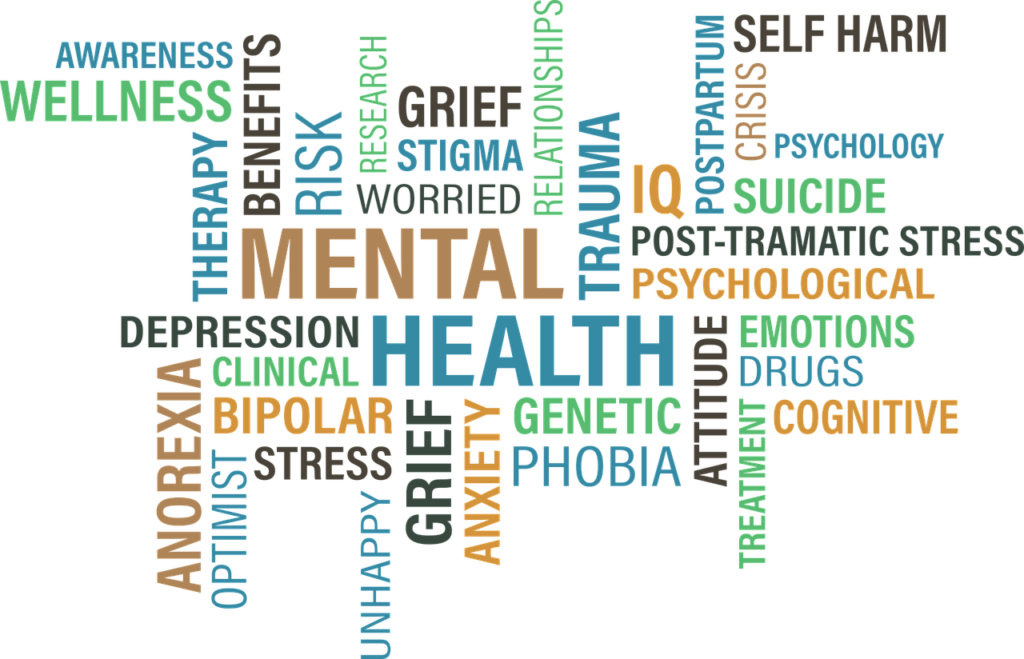
How Trauma Lives in the Nervous System
The nervous system is designed to protect. When danger is perceived, it activates survival responses such as fight, flight, or freeze. However, when escape is not possible, these responses can remain locked in the body.
Neuroscience shows that trauma heightens activity in the amygdala, the brain’s threat detector. Meanwhile, the prefrontal cortex, responsible for reasoning and regulation, may go offline. As a result, survivors may react strongly to present situations that resemble past threats.
Because trauma is stored somatically, talking alone is often insufficient. Therefore, trauma healing must involve the body and the subconscious mind.
Trauma Healing as a Process of Safety
Trauma healing begins with safety, not storytelling. Before memories are revisited, the nervous system must learn that the present moment is safe. Only then can deeper work unfold.
Therapeutically, safety is cultivated through regulation, grounding, and attuned presence. Techniques such as breath awareness, mindful body scanning, and guided imagery support this process. Over time, the body learns to settle.
Spiritually, safety reconnects individuals with inner guidance. As fear softens, intuition re-emerges. This inner wisdom gently directs the healing journey.
Trauma Recovery and Emotional Resilience
Trauma recovery and emotional resilience develop together. Recovery involves integrating past experiences. Resilience reflects the capacity to meet life without being overwhelmed.
Psychologically, resilience grows as individuals learn to observe emotions without being consumed. This skill, known as affect regulation, allows feelings to move through rather than get stuck. Consequently, emotional intensity becomes more manageable.
From a spiritual view, resilience reflects inner alignment. When individuals feel connected to something greater than the wound, strength arises naturally. This connection becomes a quiet anchor during emotional storms.
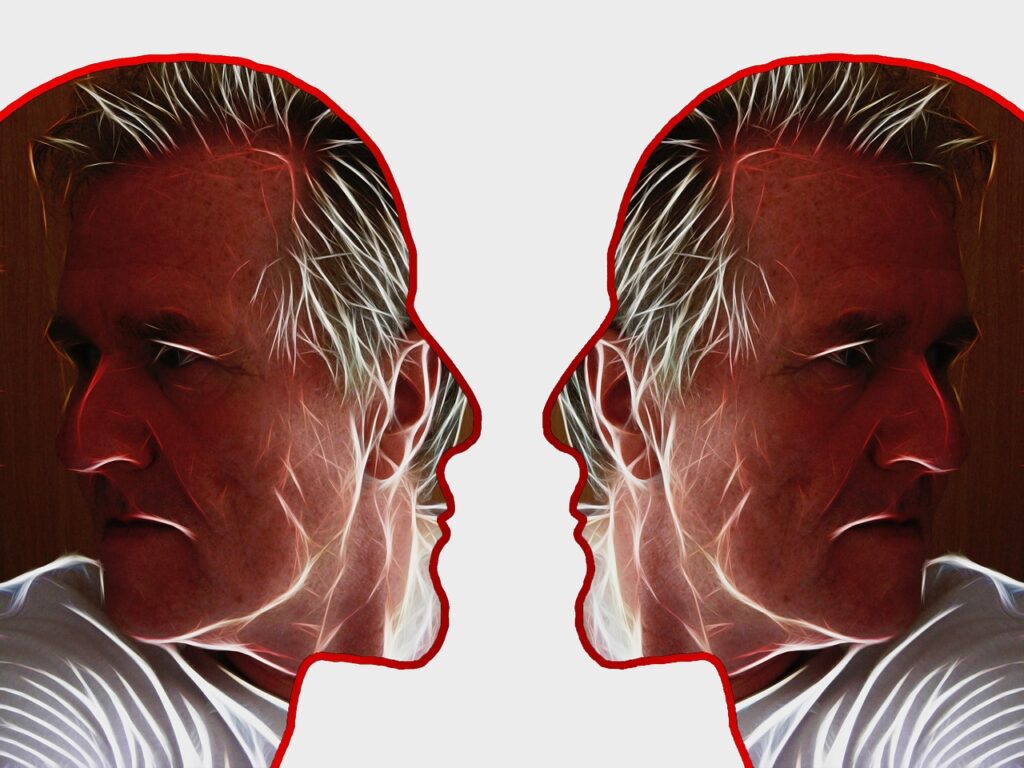
The Role of the Subconscious Mind in Trauma
The subconscious mind stores emotional memories, beliefs, and survival patterns. Trauma imprints often reside here, outside conscious awareness. Therefore, healing must gently access these deeper layers.
Methods such as guided meditation, regression work, and inner child healing allow safe access to the subconscious. These approaches bypass analytical defenses. As a result, healing occurs at the root rather than the surface.
When subconscious patterns are brought into awareness, choice returns. The individual is no longer driven solely by old survival strategies.
Navigating Depths of Trauma and Abuse for Deep Emotional Healing
Navigating depths of trauma and abuse for deep emotional healing requires patience and attunement. Healing does not mean reliving pain repeatedly. Instead, it means meeting what arises with compassion and support.
In therapy, this may look like gently noticing sensations or emotions. The therapist provides containment while the client stays connected to the present. Over time, frozen survival energy releases.
Spiritually, this process resembles descending into still waters. As one moves deeper, clarity increases. What once felt overwhelming becomes understandable and integrable.
Inner Child Healing and Trauma Integration
Many trauma patterns originate in early relationships. The inner child carries unmet needs, fear, and longing. Therefore, trauma work often includes inner child healing.
Through guided visualization and mindful presence, individuals reconnect with younger parts of themselves. These parts are not corrected or fixed. Instead, they are witnessed and nurtured.
As the inner child feels safe, emotional integration occurs. The adult self becomes more whole, grounded, and compassionate.
Energy Body Awareness in Trauma Healing
Trauma also affects the energy body. Many survivors describe feeling numb, fragmented, or disconnected. These experiences reflect energetic contraction.
Meditative and energy-based practices help restore flow. As awareness returns to the body, vitality gradually increases. Subtle sensations often signal release and integration.
Spiritually, restoring energy flow reconnects individuals with life force. This reconnection supports both emotional healing and spiritual growth.
Meditation as a Supportive Tool
Meditation plays a vital role in trauma-informed healing when used appropriately. Rather than forcing stillness, meditation invites gentle awareness. This approach respects the nervous system’s limits.
Guided practices help individuals stay present while observing internal experiences. Over time, the mind learns that sensations and emotions can be tolerated. This builds trust in the body.
Spiritually, meditation reconnects individuals with witnessing consciousness. This awareness is untouched by trauma. It offers a stable ground from which healing unfolds.
From Survival to Transformation
Trauma initially shapes life around survival. However, healing opens the door to transformation. Patterns that once protected can be released with gratitude. As integration deepens, individuals often report increased clarity and authenticity. Relationships improve because reactions soften. Life becomes less about avoiding pain and more about meaningful engagement. Transformation does not erase the past. Instead, it weaves experience into wisdom.
A Compassionate Path Forward
Navigating Depths: Understanding, Healing, and Transforming Trauma & Abuse is ultimately a journey back to wholeness. It honors both vulnerability and strength. Each step forward reflects courage.
At Sugam Healings, trauma work is approached with deep respect for the individual’s pace and inner intelligence. Through one-to-one sessions under Unravelling the Subconscious Mind, healing unfolds gently and safely.
If you feel called to explore trauma healing within a compassionate, integrative framework, you are warmly invited to connect. Visit www.sugamhealings.com to begin a therapeutic journey rooted in science, sensitivity, and spiritual depth.
Healing Outcomes
Experience deep emotional healing and mental clarity as you release stress, anxiety, and past traumas. With Chakra Balancing, Somatic Trauma Healing, and Energy Therapy, you’ll feel lighter, more positive, and fully aligned with your true self.
Our healing sessions bring lasting transformation by rewiring subconscious patterns and restoring mind-body harmony. Say goodbye to emotional wounds, negative thoughts, and self-doubt, and embrace spiritual awakening and personal growth.
Beyond healing, you’ll attract positivity, success, and fulfilment in life. As you align with your higher self, relationships improve, intuition strengthens, and a deeper sense of purpose and joy unfolds.

Connect
with your counselor
Kanwal Bedi
Transpersonal Healing Therapist
- sugamhealings@yahoo.com
- Attend An Info Session