Call Us : +91-98728-01739 or Email us: sugamhealings@yahoo.com

Trauma Healing: How Somatic Trauma Release Helps Recovery
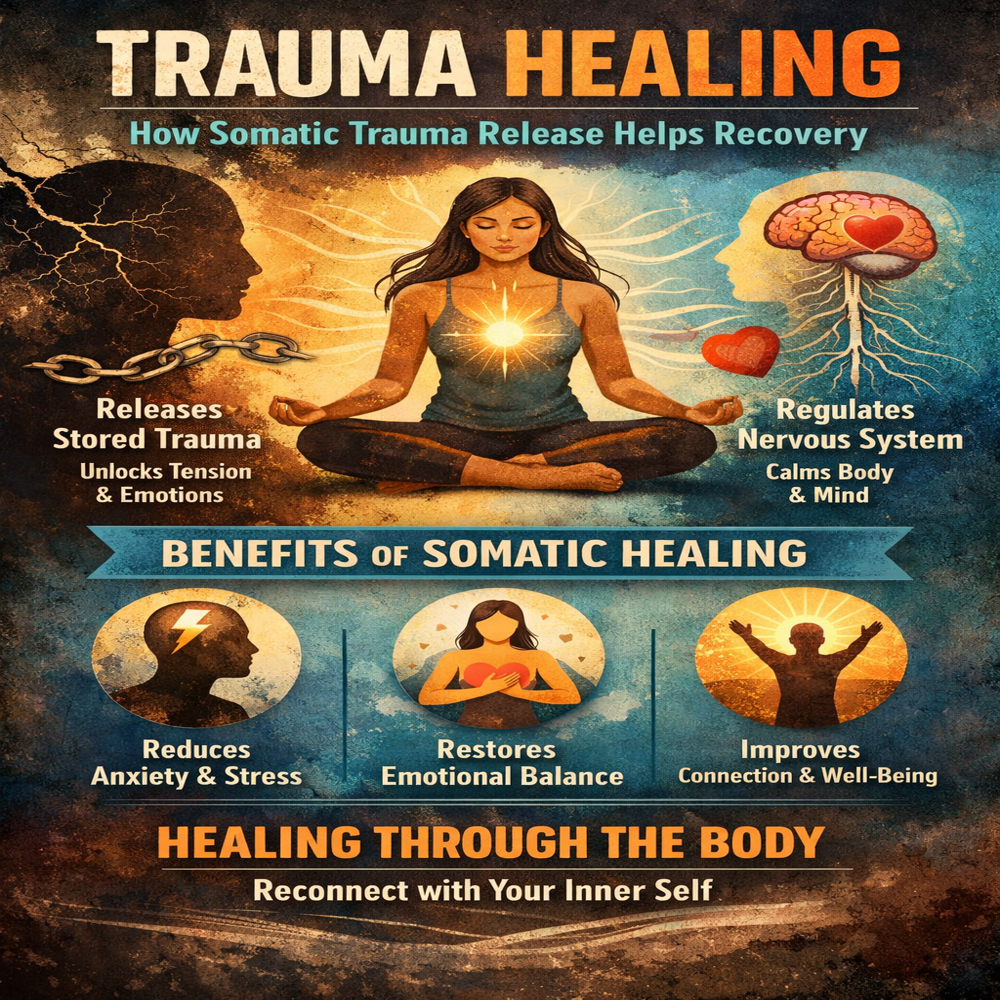
Trauma healing is a deeply personal journey that often requires more than talking about painful experiences. Many people discover that emotional wounds are stored not only in memory but also within the body and nervous system. Therefore, somatic approaches to trauma recovery have gained increasing attention in modern therapeutic practices.
Somatic trauma release focuses on helping the body safely process unresolved stress and emotional shock. As a result, individuals can begin to release stored tension and gradually restore a sense of inner safety. This body-based healing method complements traditional therapies and offers a powerful pathway for trauma healing.
Table of Contents
ToggleJourney of Trauma Healing
Trauma healing is a deeply personal journey that often requires more than talking about painful experiences. Many people discover that emotional wounds are stored not only in memory but also within the body and nervous system. Therefore, somatic approaches to trauma recovery have gained increasing attention in modern therapeutic practices.
Somatic trauma release focuses on helping the body safely process unresolved stress and emotional shock. As a result, individuals can begin to release stored tension and gradually restore a sense of inner safety. This body-based healing method complements traditional therapies and offers a powerful pathway for trauma healing.
Understanding Trauma Healing and the Body
Trauma healing involves addressing both the psychological and physiological effects of overwhelming experiences. When trauma occurs, the nervous system often enters survival states such as fight, flight, or freeze. Consequently, the body may hold residual stress long after the event has passed.
Many people attempt to process trauma through cognitive understanding alone. However, emotional memories frequently remain stored in the body’s sensory and nervous systems. Therefore, healing approaches that involve bodily awareness can help unlock deeper levels of recovery.
Somatic trauma release works with these bodily sensations rather than bypassing them. By gently bringing attention to physical signals, individuals can begin to release trapped energy associated with past experiences.
What Is Somatic Trauma Release?
Somatic trauma release is a therapeutic approach that focuses on how trauma is stored within the body. Instead of analyzing events intellectually, this method emphasizes body awareness, movement, breath, and nervous system regulation.
During traumatic experiences, the body prepares itself to respond to danger. For instance, muscles tighten, breathing patterns change, and adrenaline surges through the system. However, when these responses are not fully completed or released, the body may remain stuck in a stress pattern.
Somatic trauma release helps the nervous system safely discharge this stored tension. Consequently, the body can gradually return to a state of balance and safety.
Why Trauma Gets Stored in the Nervous System
Trauma does not only affect emotions and memories. It also alters how the nervous system perceives safety and threat in daily life. As a result, individuals may experience anxiety, emotional triggers, or chronic stress without fully understanding why.
When the nervous system remains hyper-alert, the body continues reacting as if danger is present. Meanwhile, unresolved trauma may lead to physical symptoms such as muscle tension, fatigue, or digestive disturbances.
Therefore, nervous system trauma healing focuses on helping the body relearn safety. Somatic approaches guide individuals to regulate stress responses and gradually release the stored impact of traumatic experiences.
Signs the Body May Be Holding Trauma
Many people assume trauma only appears as emotional distress. However, the body often carries subtle signals indicating unresolved experiences. Recognizing these signs can be the first step toward trauma healing.
Common body-based symptoms may include chronic tension, unexplained fatigue, or recurring pain without medical causes. In addition, individuals may notice heightened sensitivity to stress or difficulty relaxing.
Emotional patterns can also emerge from stored trauma. For example, sudden emotional reactions, feelings of overwhelm, or persistent anxiety may reflect unresolved nervous system activation.
When these patterns persist, somatic trauma release can provide a safe and supportive pathway for healing.
How Somatic Trauma Release Supports Trauma Healing
Somatic trauma release works by reconnecting individuals with their bodily sensations in a safe and gradual way. Instead of forcing emotional expression, this approach allows the nervous system to release stress naturally.
First, awareness is brought to subtle sensations such as breathing patterns, muscle tension, or body posture. This awareness helps individuals recognize how the body is responding to stress.
Next, gentle techniques such as grounding exercises, mindful movement, or breath regulation help the body settle into a calmer state. As the nervous system begins to relax, stored survival energy can gradually release.
Over time, this process allows the body to complete stress responses that were interrupted during traumatic experiences. Consequently, individuals often experience a greater sense of emotional freedom and physical ease.
The Connection Between Trauma and the Nervous System
The nervous system plays a central role in trauma healing. It constantly scans the environment for signals of safety or danger. When trauma occurs, this system may become overly sensitive to potential threats.
Therefore, even ordinary situations may trigger strong reactions within the body. This response is not a weakness, but a protective mechanism developed during difficult experiences.
Somatic trauma release helps the nervous system recalibrate these responses. By slowly reintroducing feelings of safety, the body learns that it no longer needs to remain in survival mode.
Gradually, individuals may notice improved emotional stability and reduced reactivity to stress.
Benefits of Somatic Trauma Release
Somatic trauma release offers several benefits for those seeking trauma healing. First, it addresses the physical impact of trauma rather than focusing only on thoughts and memories. This holistic approach allows deeper layers of healing to unfold.
Moreover, body-based therapy often feels gentler than traditional methods. Instead of revisiting painful memories repeatedly, individuals learn to work with sensations and nervous system signals.
As a result, many people experience improved emotional regulation, reduced anxiety, and increased resilience. Over time, they may also develop a stronger sense of connection with their bodies.
Another important benefit is the restoration of nervous system balance. When the body feels safe again, emotional healing becomes more sustainable.
Trauma Healing as a Gradual Process
Healing from trauma rarely happens overnight. Instead, it unfolds gradually as the body and mind process experiences at a safe pace. Therefore, patience and compassionate self-awareness are essential throughout the journey.
Somatic trauma release respects the body’s natural rhythm of healing. Rather than pushing for rapid change, it supports gentle shifts that allow lasting transformation.
Meanwhile, consistent practices such as mindfulness, breathwork, or grounding exercises can strengthen the nervous system’s capacity for regulation.
With time and supportive guidance, individuals often rediscover feelings of safety, stability, and emotional openness.
Integrating Somatic Healing with Other Therapies
Somatic trauma release can be integrated with many therapeutic approaches. For example, hypnotherapy, inner child healing, or mindfulness practices often complement body-based trauma work.
Combining these methods allows healing to occur on multiple levels. Cognitive understanding, emotional processing, and physical release can work together to support recovery.
Furthermore, integrative healing approaches recognize that trauma affects the whole person. Therefore, holistic therapy models often provide deeper and more sustainable results.
For many individuals, exploring multiple modalities helps create a more complete trauma healing journey.
Begin Your Trauma Healing Journey
Trauma healing becomes possible when the body and mind are given safe space to process difficult experiences. Somatic trauma release offers a compassionate pathway for reconnecting with the body and restoring nervous system balance.
At Sugam Healings, integrative therapeutic approaches support individuals seeking emotional recovery, nervous system regulation, and deeper self-understanding. Through trauma-informed guidance, healing can unfold gently and safely.
If you feel ready to explore trauma healing and reconnect with your inner resilience, professional support can make the journey more supportive and empowering.
FAQs
What is trauma healing?
Trauma healing refers to the process of recovering from overwhelming emotional or psychological experiences. It often involves addressing both emotional memories and the nervous system responses connected to those events.
How does somatic trauma release work?
Somatic trauma release works by helping the body process stored stress responses. Through body awareness and nervous system regulation, individuals gradually release tension connected to traumatic experiences.
Can trauma be stored in the body?
Yes, trauma can be stored in the body through muscle tension, nervous system activation, and stress patterns. Therefore, body-based therapies are often helpful for releasing these stored responses.
Who can benefit from somatic trauma release?
People experiencing anxiety, emotional triggers, chronic stress, or unresolved trauma may benefit from somatic trauma release. It is especially useful for individuals who feel disconnected from their bodies.
Is somatic trauma release safe?
When practiced with a trained professional, somatic trauma release is considered a safe and supportive therapy. It focuses on gradual healing and respects the body’s natural pace of recovery.
Trauma healing involves addressing both the psychological and physiological effects of overwhelming experiences. When trauma occurs, the nervous system often enters survival states such as fight, flight, or freeze. Consequently, the body may hold residual stress long after the event has passed.
Many people attempt to process trauma through cognitive understanding alone. However, emotional memories frequently remain stored in the body’s sensory and nervous systems. Therefore, healing approaches that involve bodily awareness can help unlock deeper levels of recovery.
Somatic trauma release works with these bodily sensations rather than bypassing them. By gently bringing attention to physical signals, individuals can begin to release trapped energy associated with past experiences.
What Is Somatic Trauma Release?
Somatic trauma release is a therapeutic approach that focuses on how trauma is stored within the body. Instead of analyzing events intellectually, this method emphasizes body awareness, movement, breath, and nervous system regulation.
During traumatic experiences, the body prepares itself to respond to danger. For instance, muscles tighten, breathing patterns change, and adrenaline surges through the system. However, when these responses are not fully completed or released, the body may remain stuck in a stress pattern.
Somatic trauma release helps the nervous system safely discharge this stored tension. Consequently, the body can gradually return to a state of balance and safety.
Why Trauma Gets Stored in the Nervous System
Trauma does not only affect emotions and memories. It also alters how the nervous system perceives safety and threat in daily life. As a result, individuals may experience anxiety, emotional triggers, or chronic stress without fully understanding why.
When the nervous system remains hyper-alert, the body continues reacting as if danger is present. Meanwhile, unresolved trauma may lead to physical symptoms such as muscle tension, fatigue, or digestive disturbances.
Therefore, nervous system trauma healing focuses on helping the body relearn safety. Somatic approaches guide individuals to regulate stress responses and gradually release the stored impact of traumatic experiences.
Signs the Body May Be Holding Trauma
Many people assume trauma only appears as emotional distress. However, the body often carries subtle signals indicating unresolved experiences. Recognizing these signs can be the first step toward trauma healing.
Common body-based symptoms may include chronic tension, unexplained fatigue, or recurring pain without medical causes. In addition, individuals may notice heightened sensitivity to stress or difficulty relaxing.
Emotional patterns can also emerge from stored trauma. For example, sudden emotional reactions, feelings of overwhelm, or persistent anxiety may reflect unresolved nervous system activation.
When these patterns persist, somatic trauma release can provide a safe and supportive pathway for healing.
How Somatic Trauma Release Supports Trauma Healing
Somatic trauma release works by reconnecting individuals with their bodily sensations in a safe and gradual way. Instead of forcing emotional expression, this approach allows the nervous system to release stress naturally.
First, awareness is brought to subtle sensations such as breathing patterns, muscle tension, or body posture. This awareness helps individuals recognize how the body is responding to stress.
Next, gentle techniques such as grounding exercises, mindful movement, or breath regulation help the body settle into a calmer state. As the nervous system begins to relax, stored survival energy can gradually release.
Over time, this process allows the body to complete stress responses that were interrupted during traumatic experiences. Consequently, individuals often experience a greater sense of emotional freedom and physical ease.
The Connection Between Trauma and the Nervous System
The nervous system plays a central role in trauma healing. It constantly scans the environment for signals of safety or danger. When trauma occurs, this system may become overly sensitive to potential threats.
Therefore, even ordinary situations may trigger strong reactions within the body. This response is not a weakness, but a protective mechanism developed during difficult experiences.
Somatic trauma release helps the nervous system recalibrate these responses. By slowly reintroducing feelings of safety, the body learns that it no longer needs to remain in survival mode.
Gradually, individuals may notice improved emotional stability and reduced reactivity to stress.
Benefits of Somatic Trauma Release
Somatic trauma release offers several benefits for those seeking trauma healing. First, it addresses the physical impact of trauma rather than focusing only on thoughts and memories. This holistic approach allows deeper layers of healing to unfold.
Moreover, body-based therapy often feels gentler than traditional methods. Instead of revisiting painful memories repeatedly, individuals learn to work with sensations and nervous system signals.
As a result, many people experience improved emotional regulation, reduced anxiety, and increased resilience. Over time, they may also develop a stronger sense of connection with their bodies.
Another important benefit is the restoration of nervous system balance. When the body feels safe again, emotional healing becomes more sustainable.
Trauma Healing as a Gradual Process
Healing from trauma rarely happens overnight. Instead, it unfolds gradually as the body and mind process experiences at a safe pace. Therefore, patience and compassionate self-awareness are essential throughout the journey.
Somatic trauma release respects the body’s natural rhythm of healing. Rather than pushing for rapid change, it supports gentle shifts that allow lasting transformation.
Meanwhile, consistent practices such as mindfulness, breathwork, or grounding exercises can strengthen the nervous system’s capacity for regulation.
With time and supportive guidance, individuals often rediscover feelings of safety, stability, and emotional openness.
Integrating Somatic Healing with Other Therapies
Somatic trauma release can be integrated with many therapeutic approaches. For example, hypnotherapy, inner child healing, or mindfulness practices often complement body-based trauma work.
Combining these methods allows healing to occur on multiple levels. Cognitive understanding, emotional processing, and physical release can work together to support recovery.
Furthermore, integrative healing approaches recognize that trauma affects the whole person. Therefore, holistic therapy models often provide deeper and more sustainable results.
For many individuals, exploring multiple modalities helps create a more complete trauma healing journey.
Begin Your Trauma Healing Journey
Trauma healing becomes possible when the body and mind are given safe space to process difficult experiences. Somatic trauma release offers a compassionate pathway for reconnecting with the body and restoring nervous system balance.
At Sugam Healings, integrative therapeutic approaches support individuals seeking emotional recovery, nervous system regulation, and deeper self-understanding. Through trauma-informed guidance, healing can unfold gently and safely.
If you feel ready to explore trauma healing and reconnect with your inner resilience, professional support can make the journey more supportive and empowering.
FAQs
What is trauma healing?
Trauma healing refers to the process of recovering from overwhelming emotional or psychological experiences. It often involves addressing both emotional memories and the nervous system responses connected to those events.
How does somatic trauma release work?
Somatic trauma release works by helping the body process stored stress responses. Through body awareness and nervous system regulation, individuals gradually release tension connected to traumatic experiences.
Can trauma be stored in the body?
Yes, trauma can be stored in the body through muscle tension, nervous system activation, and stress patterns. Therefore, body-based therapies are often helpful for releasing these stored responses.
Who can benefit from somatic trauma release?
People experiencing anxiety, emotional triggers, chronic stress, or unresolved trauma may benefit from somatic trauma release. It is especially useful for individuals who feel disconnected from their bodies.
Is somatic trauma release safe?
When practiced with a trained professional, somatic trauma release is considered a safe and supportive therapy. It focuses on gradual healing and respects the body’s natural pace of recovery.