Call Us : +91-98728-01739 or Email us: sugamhealings@yahoo.com

Introduction
Learning Emotional Freedom Techniques (EFT) offers a compassionate and scientifically informed pathway to healing emotional distress stored in the mind and body. From the outset, this course approaches EFT not as a quick technique, but as a clinically grounded, trauma-aware, and consciousness-based therapeutic modality. Therefore, learners are guided to work with emotional pain safely, respectfully, and effectively.
With over a decade of therapeutic experience, I have observed that EFT becomes truly transformative when it is taught with depth, ethics, and experiential integration. Consequently, this course is designed to support both personal healing and professional development. It invites learners into a mature relationship with emotions, memory, and self-regulation.
Understanding EFT Beyond Technique
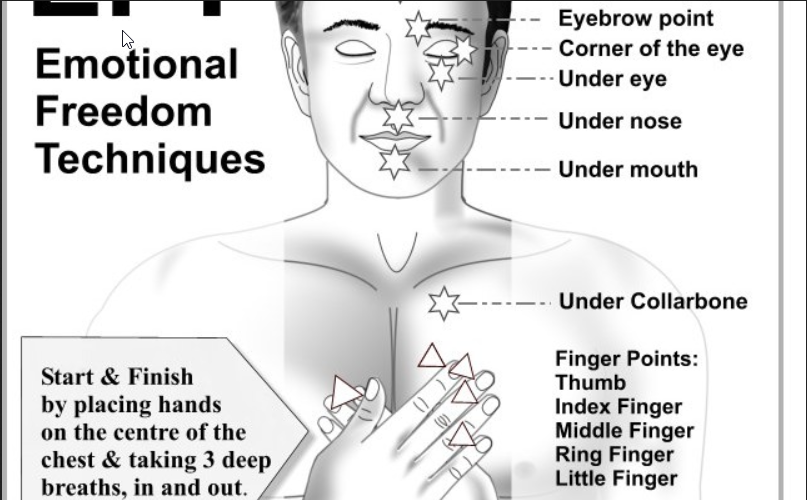
Emotional Freedom Techniques are often described as tapping on specific acupressure points while engaging with emotional material. However, clinically, EFT functions as a method of regulating the nervous system while accessing emotional memory. Therefore, it works at the intersection of cognition, sensation, and awareness.
Psychologically, EFT helps reduce emotional intensity without suppressing experience. As a result, clients feel safer exploring difficult memories. This balance makes EFT particularly suitable for trauma-informed work.
Neuroscience and Emotional Regulation
Modern neuroscience shows that emotional distress is often driven by limbic system activation. While insight is helpful, it may not calm the body’s threat response. Therefore, effective therapy must include bottom-up regulation.
EFT supports this process by pairing focused awareness with rhythmic tapping. Consequently, the nervous system receives signals of safety. Over time, emotional responses soften, and cognitive clarity returns.
Trauma-Informed Foundations of EFT
Learning Emotional Freedom Techniques (EFT) is firmly rooted in trauma-informed principles. Safety, choice, and pacing guide every aspect of the learning process. Therefore, learners are never pushed into emotional exposure prematurely.
Instead, EFT is taught as a gentle dialogue with the nervous system. This approach prevents overwhelm and reduces the risk of re-traumatisation. As a result, both clients and practitioners experience greater trust.
EFT as an Energy Psychology Approach
EFT belongs to the field of energy psychology, which recognises the connection between emotional states and the body’s energy system. While the language of energy may sound abstract, its effects are experienced somatically. Therefore, EFT bridges felt experience with conscious awareness.
Through this energy psychology tapping practice, learners observe shifts in emotional charge, bodily tension, and inner narrative. These changes often feel subtle yet profound. Over time, emotional resilience increases naturally.
Working with Emotional Memory and the Body
Emotional memories are often stored as sensations rather than stories. Therefore, EFT works best when attention includes bodily awareness. Learners are trained to notice breath, muscle tone, and internal signals while tapping.
As emotional charge decreases, the body reorganises toward balance. Consequently, clients often report relief without needing to relive trauma. This outcome reflects ethical and effective practice.
From Self-Healing to Professional Training
Many individuals begin EFT for personal healing. However, as confidence grows, a desire to support others often emerges. Therefore, this course intentionally introduces EFT practitioner training as a structured professional pathway.
Learners explore the difference between self-use and client work. Ethical considerations, boundaries, and scope of practice are discussed clearly. This clarity supports responsible professional growth.
Learning EFT as a Career Path
For those interested in learning emotional freedom techniques to build a professional career in therapeutic healing, this course provides grounding and direction. It addresses how EFT integrates with counselling, psychotherapy, coaching, and holistic health practices. Consequently, learners gain realistic expectations.
Rather than promising rapid certification, the training emphasises competence and maturity. Professional identity develops through embodiment, not imitation. This depth supports long-term sustainability.
Experiential Learning and Reflective Integration
This course prioritises experiential learning supported by reflection. Each technique is introduced slowly and contextualised clinically. Therefore, understanding develops through experience rather than memorisation.
Learners are encouraged to observe their internal responses during practice. Through reflection, self-awareness deepens. This process strengthens both personal healing and professional presence.

Practitioner Presence and Self-Regulation
A therapist’s nervous system plays a central role in healing outcomes. Therefore, this training emphasises practitioner self-regulation as an ethical responsibility. EFT becomes a tool for the practitioner as well.
Through regular practice, learners develop steadiness and clarity. Emotional boundaries strengthen naturally. As a result, therapeutic work feels grounded and sustainable.
Integrating EFT with Consciousness and Awareness
Beyond symptom relief, EFT invites deeper awareness of inner experience. When emotional charge softens, insight and meaning often emerge. Therefore, EFT supports both healing and consciousness exploration.
Meditative awareness enhances this process by fostering presence. Together, tapping and mindfulness create integration rather than fragmentation. This balance reflects holistic healing.
The Transformational Value of EFT Learning
Learning Emotional Freedom Techniques (EFT) transforms how learners relate to emotions. Rather than fearing intensity, they learn to meet it with skill and compassion. This shift brings confidence and humility.
Professionally, practitioners gain a versatile and gentle modality. Personally, learners experience increased self-trust and regulation. Both dimensions evolve together.
An Invitation to Begin
If you feel drawn to learn EFT with depth, ethics, and clarity, this course offers a grounded path. Whether your intention is self-healing or professional development, the learning unfolds with care.
At Sugam Healings, the invitation is gentle and respectful. You are welcome to explore, enquire, or begin your learning journey when it feels aligned. To learn more, visit www.sugamhealings.com.
Healing Outcomes
Experience deep emotional healing and mental clarity as you release stress, anxiety, and past traumas. With Chakra Balancing, Somatic Trauma Healing, and Energy Therapy, you’ll feel lighter, more positive, and fully aligned with your true self.
Our healing sessions bring lasting transformation by rewiring subconscious patterns and restoring mind-body harmony. Say goodbye to emotional wounds, negative thoughts, and self-doubt, and embrace spiritual awakening and personal growth.
Beyond healing, you’ll attract positivity, success, and fulfilment in life. As you align with your higher self, relationships improve, intuition strengthens, and a deeper sense of purpose and joy unfolds.

Connect
with your counselor
Kanwal Bedi
Transpersonal Healing Therapist
- sugamhealings@yahoo.com
- Attend An Info Session