Call Us : +91-98728-01739 or Email us: sugamhealings@yahoo.com
Introduction
Learn Power Dynamics: Unveiling the Dynamics of Empowerment is an invitation to understand how power shapes identity, relationships, and healing. From the very beginning, this course approaches power not as dominance, but as an inner capacity shaped by experience, trauma, and awareness. Therefore, learning unfolds with clinical precision, emotional safety, and spiritual depth.
Across more than eleven years of therapeutic practice, I have seen that unresolved power dynamics often sit beneath anxiety, people-pleasing, control, and self-doubt. Consequently, this program supports deep personal healing while also offering a clear professional pathway. It honours vulnerability while cultivating grounded empowerment.
Understanding Power Beyond Control and Authority
Power is often misunderstood as control over others. Psychologically, however, power reflects agency, choice, and self-regulation. Therefore, healthy power begins internally rather than externally.
When power is disrupted by trauma or early conditioning, individuals may oscillate between collapse and control. This course explores these patterns with clarity and compassion. Empowerment emerges through awareness, not force.
Psychological Foundations of Power Dynamics
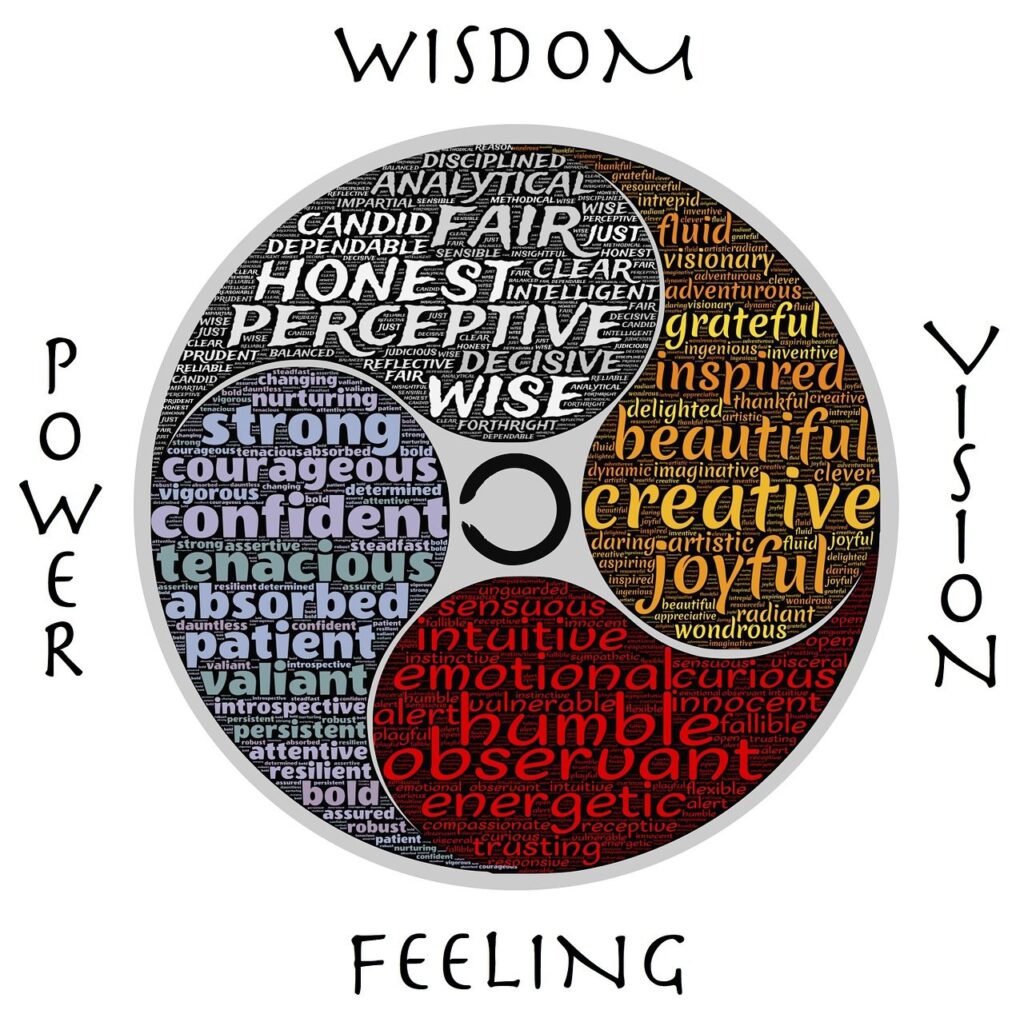
From a psychological perspective, power dynamics are shaped by attachment, boundaries, and emotional regulation. Early experiences teach us whether it is safe to express needs or assert limits. Consequently, these patterns replay in adult relationships.
Depth psychology recognises that power struggles often mask unmet needs. Therefore, healing focuses on restoring inner authority. This understanding forms a core foundation of the course.
Neuroscience, Trauma, and Agency
Neuroscience shows that trauma can impair the brain’s sense of choice. When the nervous system remains in threat mode, empowerment feels inaccessible. Therefore, power dynamics must be addressed through regulation.
As safety returns to the nervous system, cognitive flexibility increases. Choice replaces compulsion. This shift allows empowerment to become embodied rather than conceptual.
Trauma-Informed Foundations of Empowerment
Learn Power Dynamics: Unveiling the Dynamics of Empowerment is rooted in trauma-informed principles. Safety, pacing, and choice guide every exploration. Therefore, empowerment is never imposed.
Trauma often fragments agency and self-trust. Consequently, empowerment begins with restoring internal safety. Healing unfolds gradually through attunement and presence.
Power Dynamics in Relationships and Systems
Power dynamics influence every relationship, including therapeutic ones. Awareness of these dynamics protects both client and practitioner. Therefore, this course emphasises relational ethics and transparency.
Learners explore how power shows up subtly through roles, language, and expectations. As awareness grows, interactions become more balanced. Empowerment replaces reenactment.

Psychological and Relational Empowerment Practice
At the heart of this training lies psychological and relational empowerment practice. This approach integrates emotional awareness, boundary clarity, and self-responsibility. Learners explore empowerment as a lived experience.
Through guided practices, individuals notice where power is given away or overused. As insight deepens, balance returns. Empowerment becomes stable and sustainable.
Somatic Awareness and Embodied Power
Power is not only cognitive; it is somatic. The body reveals empowerment through posture, breath, and movement. Therefore, somatic awareness plays a central role.
Learners observe how empowerment feels in the body. As tension releases, presence strengthens. The body becomes a reliable guide.
Consciousness, Energy, and Inner Authority
Beyond psychology, empowerment touches consciousness and subtle energy. Energetically, disempowerment often shows as contraction or depletion. Therefore, awareness of energy supports integration.
Meditative practices help learners witness power dynamics without identification. As a result, inner authority grows naturally. Spiritual insight remains grounded in embodiment.
Experiential Learning and Reflective Integration
This course emphasises experiential learning supported by reflection. Practices are introduced gradually and explained in accessible language. Therefore, learning becomes embodied rather than abstract.
Each experience is followed by inquiry and integration. Learners build confidence through lived understanding. Growth unfolds sustainably.
From Personal Healing to Practitioner Training
Many participants begin exploring power dynamics for personal healing. However, as understanding deepens, a professional calling often emerges. Therefore, the program introduces power dynamics practitioner training as a developmental pathway.
Learners examine how personal empowerment shapes therapeutic presence. Ethics, boundaries, and scope of practice are addressed clearly. This clarity supports responsible application.
Building a Professional Career in Empowerment Work
For those who wish to learn power dynamics to build a professional career in empowerment and therapeutic healing, this course offers grounding and direction. It clarifies how empowerment work integrates with therapy, counselling, and facilitation. Consequently, learners gain realistic expectations.
Rather than offering quick certification, the training emphasises embodiment and maturity. Professional identity develops through lived experience. This depth supports credibility and sustainability.
Working Safely with Trauma Survivors
Trauma survivors are especially sensitive to power imbalances. Therefore, this course prioritises co-regulation and consent. Techniques remain secondary to relational safety.
Learners practise recognising signs of submission, collapse, or control. As a result, interventions remain supportive. Ethical awareness guides every step.
Practitioner Presence and Ethical Responsibility
A practitioner’s relationship with power shapes healing outcomes. Therefore, self-reflection and regulation are treated as ethical responsibilities. Empowerment begins within the practitioner.
Through ongoing practice, steadiness and discernment develop. Boundaries strengthen without rigidity. Professional work becomes grounded and respectful.
Transformational Impact of Learning Power Dynamics
Learn Power Dynamics: Unveiling the Dynamics of Empowerment transforms how learners relate to choice, responsibility, and self-expression. Power shifts from struggle to presence. This change fosters resilience and authenticity.
Professionally, practitioners gain a nuanced and ethical framework. Personally, learners experience increased self-trust and clarity. Both dimensions evolve together.
An Invitation to Begin
If you feel called to explore power dynamics with depth, safety, and integrity, this course offers a grounded pathway. Whether your intention is personal healing or professional development, the journey unfolds with care.
At Sugam Healings, the invitation is gentle and respectful. You are welcome to explore, enquire, or begin your learning journey when it feels aligned. To learn more, visit www.sugamhealings.com.
Healing Outcomes
Experience deep emotional healing and mental clarity as you release stress, anxiety, and past traumas. With Chakra Balancing, Somatic Trauma Healing, and Energy Therapy, you’ll feel lighter, more positive, and fully aligned with your true self.
Our healing sessions bring lasting transformation by rewiring subconscious patterns and restoring mind-body harmony. Say goodbye to emotional wounds, negative thoughts, and self-doubt, and embrace spiritual awakening and personal growth.
Beyond healing, you’ll attract positivity, success, and fulfilment in life. As you align with your higher self, relationships improve, intuition strengthens, and a deeper sense of purpose and joy unfolds.

Connect
with your counselor
Kanwal Bedi
Transpersonal Healing Therapist
- sugamhealings@yahoo.com
- Attend An Info Session