Call Us : +91-98728-01739 or Email us: sugamhealings@yahoo.com
Introduction
Exploring Three States of Consciousness: Being, Feeling, Thinking offers a powerful framework for understanding how we experience life. From a therapeutic perspective, these states shape perception, emotion, and behavior. From a spiritual lens, they reflect different expressions of consciousness moving through the human system.
When these states fall out of balance, distress often follows. Therefore, healing involves learning to recognise, honour, and integrate each state. This integration supports self-awareness, emotional regulation, and inner healing.
Consciousness as a Living Experience
Consciousness is not a single faculty. Instead, it unfolds as a dynamic process through awareness, emotion, and thought. Each state serves a vital function.
Clinically, these states correspond to different neural networks. Neuroscience shows that attention, emotion, and cognition activate distinct yet interconnected systems. When they cooperate, the mind becomes flexible.
Spiritually, consciousness is the field within which all experience arises. The three states are waves on this field, each carrying information and wisdom.
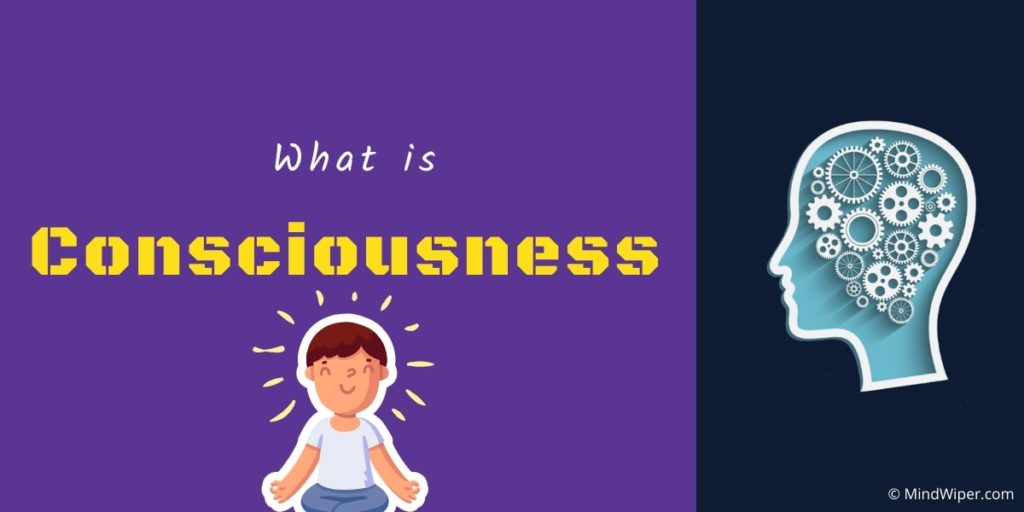
Levels of Consciousness and Inner Balance
The concept of levels of consciousness helps explain why people respond differently to the same situation. At times, awareness rests in pure presence. At other times, it moves through emotion or thought.
Healthy functioning requires fluid movement between levels. When one level dominates, imbalance occurs. For example, excessive thinking can disconnect us from feeling.
Therefore, therapeutic work often focuses on restoring balance. Balance allows consciousness to move freely rather than get stuck.
The State of Being: Presence Without Effort
The state of Being is awareness without commentary. It is the felt sense of existence before interpretation. In this state, attention rests in the present moment.
Neuro-scientifically, Being correlates with reduced activity in the brain’s default mode network. This reduction quiets self-referential thinking. As a result, the nervous system settles.
Spiritually, Being reflects pure awareness. It is often experienced as stillness, spaciousness, or peace. This state provides a foundation of safety and clarity.
Being and Trauma Healing
For trauma survivors, Being may initially feel unfamiliar. Stillness can trigger vulnerability. Therefore, access to must be gradual.
Therapeutically, brief moments of presence are introduced gently. Even a few seconds of grounded awareness can be regulating. Over time, tolerance increases.
Spiritually, Being reconnects individuals with an inner refuge. This refuge exists beyond trauma history. It offers a sense of continuity and trust.

The State of Feeling: Emotional Intelligence
Feeling represents the emotional dimension of consciousness. Emotions signal needs, boundaries, and meaning. They are not problems to solve but messages to receive.
Clinically, emotions arise from limbic system activity. When emotions are acknowledged, regulation improves. Suppression, however, increases distress.
Spiritually, feeling is the heart’s language. It connects us to empathy, compassion, and vitality. Through feeling, life becomes meaningful.
Feeling and Emotional Processing
Many individuals remain stuck in emotional states. Trauma can freeze emotions or make them overwhelming. Therefore, guidance is essential.
In therapy, emotions are explored through sensation and awareness. This approach prevents overwhelm. Emotions then move through rather than get stuck.
As emotional literacy grows, resilience increases. Individuals learn they can feel without being consumed.
The State of Thinking: Meaning and Interpretation
Thinking organizes experience through language and concepts. It helps plan, analyze, and understand. However, it can also dominate.
Neuroscience links thinking to prefrontal cortical activity. This activity supports reasoning. Yet, excessive thinking increases anxiety.
Spiritually, thought is a useful tool but a poor master. When identified with completely, it obscures presence.
Thinking and Cognitive Patterns
Cognitive patterns shape belief systems. Some beliefs support growth. Others limit healing.
Therapeutically, awareness of thought patterns creates choice. Instead of believing every thought, individuals learn to observe them. This distance reduces distress.
Integration occurs when thinking serves awareness rather than replaces it.
Mind Awareness and Conscious Experience
Mind awareness and conscious experience deepen when all three states are recognized. Awareness notices when attention shifts from Being to Feeling to Thinking.
Mindfulness practices cultivate this noticing. Over time, individuals respond rather than react. This shift supports emotional regulation.
Spiritually, awareness reveals that no single state defines the self. The observer remains constant.
How Imbalance Creates Suffering
Suffering often arises when one state dominates. Overthinking disconnects from emotion. Emotional flooding overwhelms reason. Disconnection from Being removes safety.
Trauma frequently pushes consciousness into extremes. Healing restores movement between states.
Balance does not mean equal time in each state. It means appropriate response to the moment.
Integrating the Three States in Therapy
Therapeutic integration involves engaging all states. Sessions may begin with grounding in Being. Then emotions are explored. Finally, insights are integrated cognitively.
This sequence respects the nervous system. Safety precedes exploration. Meaning follows experience.
Such integration supports lasting change. Healing becomes embodied rather than intellectual.
Exploring Three States of Consciousness for Self-Awareness and Inner Healing
Exploring three states of consciousness for self-awareness and inner healing empowers individuals to understand their inner world. Awareness replaces confusion. Compassion replaces judgment.
As self-awareness grows, inner conflict reduces. Individuals recognize which state is active. Choice emerges naturally.
Inner healing unfolds as the system learns flexibility. Life becomes more responsive and less reactive.
Meditation as a Bridge Between States
Meditation gently bridges Being, Feeling, and Thinking. It begins with presence. Emotions arise and pass. Thoughts are observed.
Clinically, meditation improves emotional regulation and attentional control. Spiritually, it stabilizes awareness.
Over time, meditation trains consciousness to move fluidly. This fluidity supports healing.
Living With Integrated Consciousness
Integrated consciousness expresses itself in daily life. Decisions feel aligned. Emotions inform rather than overwhelm. Thoughts support rather than dominate. Relationships benefit from this integration. Communication becomes clearer. Boundaries strengthen. Life feels more coherent because inner states cooperate.
A Gentle Invitation to Awareness
Exploring Three States of Consciousness: Being, Feeling, Thinking invites a compassionate relationship with your inner world. Each state offers guidance when listened to respectfully. Healing unfolds through inclusion, not suppression.
At Sugam Healings, therapeutic work honors all levels of consciousness. Through one-to-one sessions under Unravelling the Subconscious Mind, psychology, neuroscience, and spiritual insight are gently integrated.
If you feel called to deepen self-awareness and inner healing, you are warmly invited to connect. Visit www.sugamhealings.com to begin a journey into balanced, embodied consciousness.
Healing Outcomes
Experience deep emotional healing and mental clarity as you release stress, anxiety, and past traumas. With Chakra Balancing, Somatic Trauma Healing, and Energy Therapy, you’ll feel lighter, more positive, and fully aligned with your true self.
Our healing sessions bring lasting transformation by rewiring subconscious patterns and restoring mind-body harmony. Say goodbye to emotional wounds, negative thoughts, and self-doubt, and embrace spiritual awakening and personal growth.
Beyond healing, you’ll attract positivity, success, and fulfilment in life. As you align with your higher self, relationships improve, intuition strengthens, and a deeper sense of purpose and joy unfolds.

Connect
with your counselor
Kanwal Bedi
Transpersonal Healing Therapist
- sugamhealings@yahoo.com
- Attend An Info Session