Call Us : +91-98728-01739 or Email us: sugamhealings@yahoo.com

Introduction
Somatic Trauma Release: A Path to Healing and Transformation recognizes a simple truth: trauma lives in the body as much as it lives in the mind. While insight and understanding are important, deep healing often begins when the nervous system feels safe enough to let go. Therefore, somatic work offers a compassionate, body-centered doorway to integration, resilience, and inner freedom.
Many people try to heal by thinking their way through pain. However, the body remembers what the mind may not. When we include the body in therapy, healing becomes embodied rather than conceptual.
Understanding Trauma Through the Body
Trauma is not defined only by events. Instead, it is defined by how the body and nervous system respond when overwhelm exceeds capacity. As a result, the imprint remains even after the danger has passed.
Neuroscience shows that traumatic stress alters autonomic regulation. The body stays in fight, flight, freeze, or collapse. Therefore, symptoms persist despite insight.
Somatic approaches work directly with these physiological patterns. Healing begins where the imprint lives.
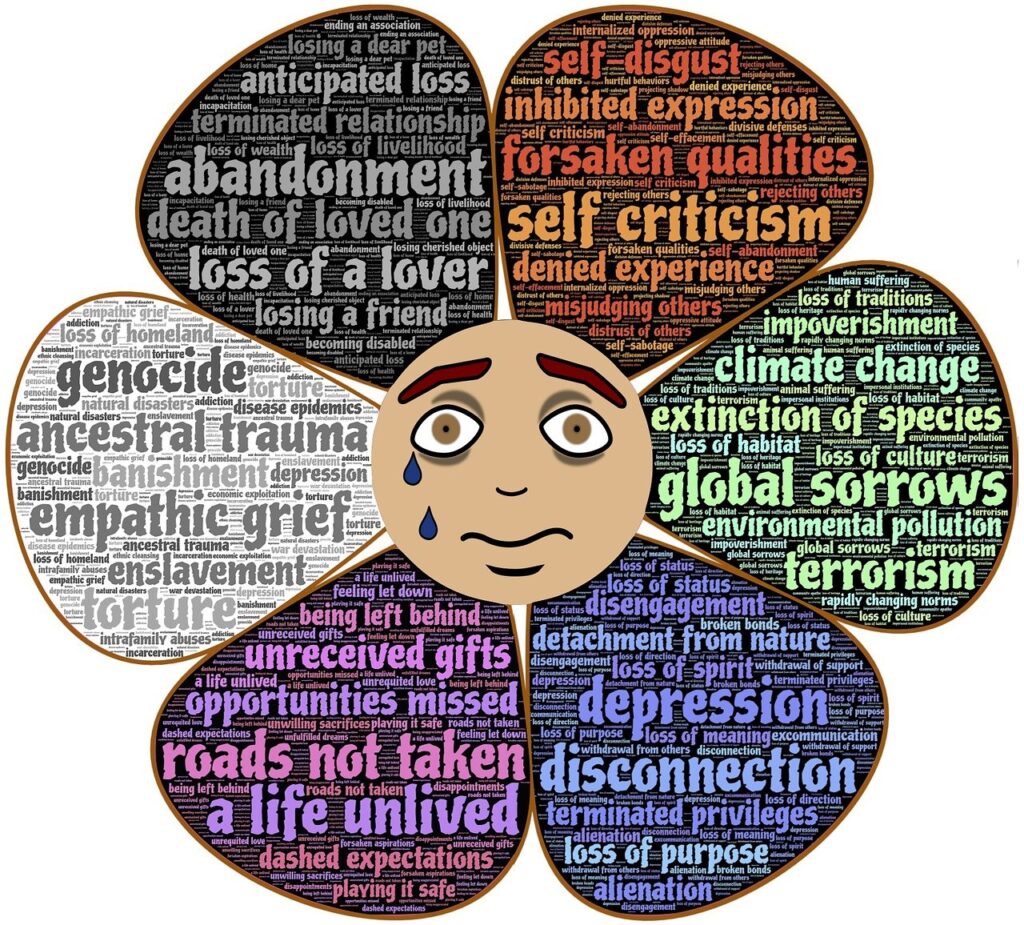
What Is Somatic Trauma Therapy?
Somatic trauma therapy focuses on bodily sensations, movement, breath, and posture. Rather than revisiting stories repeatedly, it tracks present-moment experience. This tracking allows the nervous system to complete unfinished responses.
Clinically, this approach is grounded in polyvagal theory and sensorimotor principles. It emphasises regulation, titration, and choice. Consequently, clients feel safer and more empowered.
Spiritually, somatic therapy honours the body as an intelligent vessel of awareness. The body becomes an ally rather than an obstacle.
The Nervous System as the Key to Healing
The nervous system determines whether healing is possible. If the system perceives threat, defenses remain active. Therefore, regulation must precede exploration.
Somatic work gently increases vagal tone, supporting rest and connection. Breath, grounding, and orienting calm threat responses. Over time, flexibility returns.
As regulation stabilises, emotional processing becomes accessible. Healing unfolds naturally.
Body-Based Trauma Healing and Somatic Awareness
Body-based trauma healing and somatic awareness involve learning to notice sensations without judgment. Sensations carry information about safety, boundaries, and needs. When noticed, they guide the healing process.
Clinically, awareness interrupts automatic reactions. Instead of dissociating or escalating, the system pauses. This pause creates choice.
Spiritually, awareness reconnects consciousness with embodiment. Presence returns to the here and now.
Why Talk Therapy Alone Can Feel Limited
Talk therapy supports insight and meaning-making. However, trauma often bypasses language. It is encoded in sensation and reflex.
Clients may understand their history yet feel unchanged. This experience is common and understandable. The body still holds the imprint.
Somatic trauma release complements talk therapy by addressing what words cannot reach. Integration then becomes possible.
Somatic Trauma Release for Deep Emotional Healing and Nervous System Regulation
Somatic trauma release for deep emotional healing and nervous system regulation works by allowing the body to discharge stored survival energy. This discharge occurs through subtle movements, breath shifts, or waves of sensation.
Clinically, these releases reduce hyperarousal and numbness. Emotional range expands. Recovery from stress becomes faster.
As regulation improves, emotions move fluidly. The system no longer feels trapped in the past.
Trauma Responses and the Body’s Wisdom
Trauma responses are intelligent adaptations. Fight, flight, freeze, and fawn once protected survival. Therefore, these responses deserve respect, not judgment.
Somatic work honors this wisdom. It listens rather than forces change. When the body feels understood, it relaxes.
Relaxation allows completion. Completion allows healing.
The Role of Titration and Pacing
Titration means working in small, manageable steps. Rather than diving into overwhelm, somatic therapy approaches sensation gradually. This pacing maintains safety.
Neuroscience supports this method. The nervous system integrates best when intensity is regulated. Therefore, healing becomes sustainable.
Spiritually, pacing reflects compassion. It respects the rhythm of the soul.
Trauma, Dissociation, and Returning to the Body
Dissociation protects when presence feels unsafe. Many trauma survivors experience numbness or detachment. This response is adaptive.
Somatic therapy invites gentle re-entry into the body. External anchors and choice support this process. Presence is rebuilt slowly.
As tolerance increases, embodiment returns. Life feels more vivid and grounded.
Inner Child Healing Through Somatic Work
Inner child parts often communicate through the body. Tightness, collapse, or agitation may reflect unmet needs. Listening somatically reaches these parts directly.
Through supportive touch, movement, or breath, the inner child feels soothed. Safety increases. Trust rebuilds.
As these parts integrate, reactivity decreases. Emotional maturity grows.
Energy Body Perspectives on Trauma Release
From an energetic perspective, trauma creates contraction. Energy becomes bound around survival. This binding feels like heaviness or fatigue.
Somatic release restores flow by bringing awareness into contracted areas. As awareness expands, energy reorganizes. Vitality returns.
Spiritually, energy flow reflects harmony between body and consciousness.
Movement, Breath, and Completion
Movement and breath support completion of interrupted responses. Gentle shaking, stretching, or sighing allow the body to finish what it could not before.
Clinically, these actions reduce stored tension. They signal safety to the nervous system.
Spiritually, completion restores wholeness. The body no longer carries unfinished stories.
Meditation and Somatic Healing
Meditation enhances somatic work by cultivating steady attention. When attention is present, sensations can be observed without overwhelm. This observation supports integration.
Clinically, meditation improves emotional regulation. Spiritually, it stabilizes witnessing awareness.
Together, meditation and somatic therapy create a balanced healing container.
Common Myths About Somatic Trauma Release
Some believe somatic work requires intense catharsis. In reality, release is often subtle. Small shifts create big change.
Others fear losing control. Ethical somatic therapy prioritizes choice and consent. Clients remain in control at all times.
Understanding these myths supports trust in the process.
Who Benefits From Somatic Trauma Work?
Individuals with chronic stress, anxiety, or unexplained symptoms often benefit. Trauma survivors seeking gentler approaches find relief.
Those engaged in spiritual growth also benefit. Embodiment grounds insight into lived experience.
Assessment and readiness ensure appropriate timing and support.
Integration After Somatic Sessions
Integration continues after sessions. Sensations, emotions, and insights settle over days. Gentle practices support this settling.
Reflection and self-care enhance integration. Patterns shift gradually. Compassion guides the process.
Integration ensures that healing lasts.
Transformation Beyond Symptom Relief
Somatic trauma release supports more than symptom reduction. It restores connection with the body, emotions, and life force. Confidence and presence increase.
Relationships improve as reactivity decreases. Boundaries strengthen. Joy becomes accessible.
Transformation feels embodied rather than effortful.
A Gentle Invitation to Embodied Healing
Somatic Trauma Release: A Path to Healing and Transformation offers a respectful, effective approach to trauma recovery. By including the body, healing reaches deeper layers with greater ease.
At Sugam Healings, one-to-one sessions under Unravelling the Subconscious Mind integrate somatic trauma therapy with inner child healing, meditation, energy work, and transpersonal insight. Each session honors your pace and nervous system needs.
If you feel called to heal through the wisdom of your body, you are warmly invited to explore this path. Visit www.sugamhealings.com to begin a journey toward regulation, integration, and embodied transformation.
Healing Outcomes
Experience deep emotional healing and mental clarity as you release stress, anxiety, and past traumas. With Chakra Balancing, Somatic Trauma Healing, and Energy Therapy, you’ll feel lighter, more positive, and fully aligned with your true self.
Our healing sessions bring lasting transformation by rewiring subconscious patterns and restoring mind-body harmony. Say goodbye to emotional wounds, negative thoughts, and self-doubt, and embrace spiritual awakening and personal growth.
Beyond healing, you’ll attract positivity, success, and fulfilment in life. As you align with your higher self, relationships improve, intuition strengthens, and a deeper sense of purpose and joy unfolds.

Connect
with your counselor
Kanwal Bedi
Transpersonal Healing Therapist
- sugamhealings@yahoo.com
- Attend An Info Session