Call Us : +91-98728-01739 or Email us: sugamhealings@yahoo.com


Introduction
Mindfulness Therapy for Emotional Regulation and Inner Awareness offers a grounded and compassionate way to reconnect with yourself in the present moment. Many people live caught between past regrets and future worries, leaving little space for emotional balance. Over time, this disconnection contributes to anxiety, emotional overwhelm, and chronic stress.
Mindfulness Therapy helps you slow down and listen inwardly. Through gentle awareness, the nervous system learns safety, and emotions become easier to regulate.
What Is Mindfulness Therapy?
Mindfulness therapy is a therapeutic approach that cultivates present-moment awareness with curiosity and compassion. Rather than suppressing thoughts or emotions, mindfulness invites you to observe them without judgment.
Clinically, mindfulness supports emotional regulation and stress reduction. Spiritually, it reconnects you with inner awareness beyond constant thinking. Mindfulness therapy integrates both perspectives in a grounded way.
Healing begins when awareness replaces reactivity.
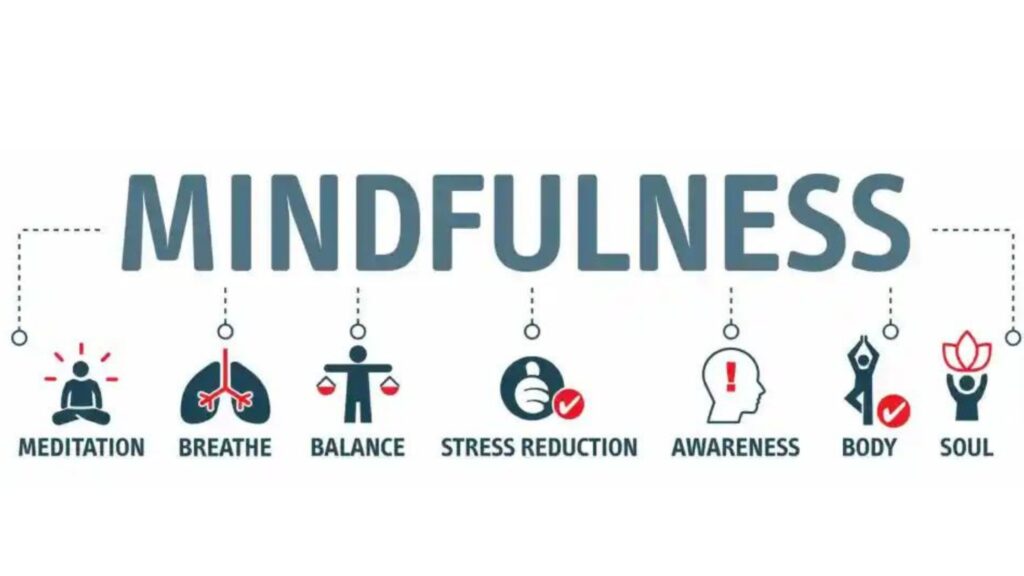
How Mindfulness Supports Emotional Regulation
Emotional dysregulation occurs when the nervous system remains in a state of threat. Mindfulness therapy works by calming this system through conscious attention.
Neuroscience shows that mindfulness strengthens brain regions responsible for emotional regulation. As awareness increases, impulsive reactions decrease. Over time, emotional responses become more measured and intentional.
Regulation emerges naturally through presence.
Mindfulness Therapy for Emotional Regulation and Inner Awareness: A Clinical View
From a therapeutic perspective, mindfulness therapy aligns with trauma-informed care, somatic awareness, and cognitive-emotional integration. When practiced safely, mindfulness helps individuals remain present with emotions without becoming overwhelmed.
The emphasis is not on controlling thoughts, but on building tolerance for experience. This allows emotional processing to occur gently.
Safety and pacing are essential.
Mindfulness and the Nervous System
The nervous system responds to perceived safety or threat. Chronic stress trains the system to remain alert. Mindfulness therapy interrupts this pattern.
Through breath awareness and body scanning, the system learns to settle. Heart rate slows. Muscles soften. Emotional clarity improves.
Mindfulness teaches the body that the present moment is safe.
Trauma-Informed Mindfulness Practice
Not all mindfulness practices are suitable for everyone. Trauma-informed mindfulness adapts practices to individual capacity.
Key principles include:
- choice and consent
- grounding before observation
- short, manageable practices
- emphasis on safety
This ensures mindfulness supports healing rather than triggering overwhelm.
Body Awareness and Emotional Healing
Emotions often appear first as bodily sensations. Mindfulness therapy increases awareness of these sensations without judgment.
As sensations are noticed and allowed, emotional intensity decreases. The body completes emotional cycles that were previously interrupted.
This supports deep emotional healing and self-understanding.
Mindfulness and Thought Patterns
Mindfulness helps create space between thoughts and identity. Thoughts are observed rather than believed automatically.
This shift reduces:
- rumination
- self-criticism
- catastrophic thinking
Clarity replaces confusion when thoughts lose emotional dominance.
Spiritual Dimensions of Mindfulness
Spiritually, mindfulness reconnects individuals with inner awareness beyond the thinking mind. This awareness feels spacious, calm, and grounded.
Mindfulness does not require belief systems. It invites direct experience. Over time, this awareness becomes a stable inner anchor.
Spiritual insight becomes embodied rather than abstract.
Mindfulness vs Relaxation Techniques
Mindfulness therapy is not merely relaxation. While relaxation may occur, the primary goal is awareness.
Relaxation avoids discomfort. Mindfulness allows discomfort to be met safely. This distinction is important for emotional healing.
True calm arises from understanding, not avoidance.
Integrating Mindfulness into Daily Life
Mindfulness therapy emphasizes practical application. Awareness can be cultivated while walking, eating, or conversing.
Small moments of presence accumulate into lasting change. Emotional resilience strengthens gradually.
Consistency matters more than duration.
Who Can Benefit from Mindfulness Therapy?
Mindfulness therapy may support individuals experiencing:
- anxiety or emotional overwhelm
- chronic stress
- difficulty regulating emotions
- trauma-related symptoms
- disconnection from self
It is especially helpful when emotions feel intense or unpredictable.
Common Myths About Mindfulness
“I must stop my thoughts.”
Mindfulness observes thoughts without suppression.
“It’s only spiritual.”
Mindfulness is supported by neuroscience and psychology.
“It replaces therapy.”
Mindfulness complements therapeutic work.
Signs Mindfulness Therapy Is Working
Progress often appears subtly:
- improved emotional awareness
- reduced reactivity
- greater self-compassion
- increased clarity
These shifts indicate nervous system regulation and integration.
The Importance of Skilled Guidance
Mindfulness therapy should be guided by a practitioner trained in emotional safety and trauma awareness. Unguided practices may increase distress for some individuals.
Skilled guidance ensures mindfulness remains healing rather than destabilizing.
Support transforms practice into therapy.
When to Seek Support
Support is essential when spiritual experiences feel destabilizing, frightening, or isolating. Persistent anxiety, confusion, or emotional flooding signal the need for guidance.
Seeking help is not a failure of spirituality. It is an act of self-respect.
With support, the journey becomes safer and more meaningful.
Begin Your Mindfulness Journey
Mindfulness Therapy for Emotional Regulation and Inner Awareness is not about becoming calm all the time. It is about learning to meet yourself honestly and safely.
At Sugam Healings, mindfulness sessions are integrated within Unravelling the Subconscious Mind, combining trauma-informed psychology, somatic awareness, meditation, and energy-based practices. Each session respects your emotional capacity and inner rhythm.
If you feel ready to cultivate presence, emotional balance, and inner awareness, you are warmly invited to begin.
🌿 Visit www.sugamhealings.com to explore mindfulness therapy and support your journey toward emotional regulation and conscious living.
Healing Outcomes
Experience deep emotional healing and mental clarity as you release stress, anxiety, and past traumas. With Chakra Balancing, Somatic Trauma Healing, and Energy Therapy, you’ll feel lighter, more positive, and fully aligned with your true self.
Our healing sessions bring lasting transformation by rewiring subconscious patterns and restoring mind-body harmony. Say goodbye to emotional wounds, negative thoughts, and self-doubt, and embrace spiritual awakening and personal growth.
Beyond healing, you’ll attract positivity, success, and fulfilment in life. As you align with your higher self, relationships improve, intuition strengthens, and a deeper sense of purpose and joy unfolds.

Connect
with your counselor
Kanwal Bedi
Transpersonal Healing Therapist
- sugmhealings@yahoo.com
- Attend An Info Session